DIRECT TO SURFACE
The wall becomes the finished print medium

DIRECT-TO-WALL PRINTING TECHNOLOGY
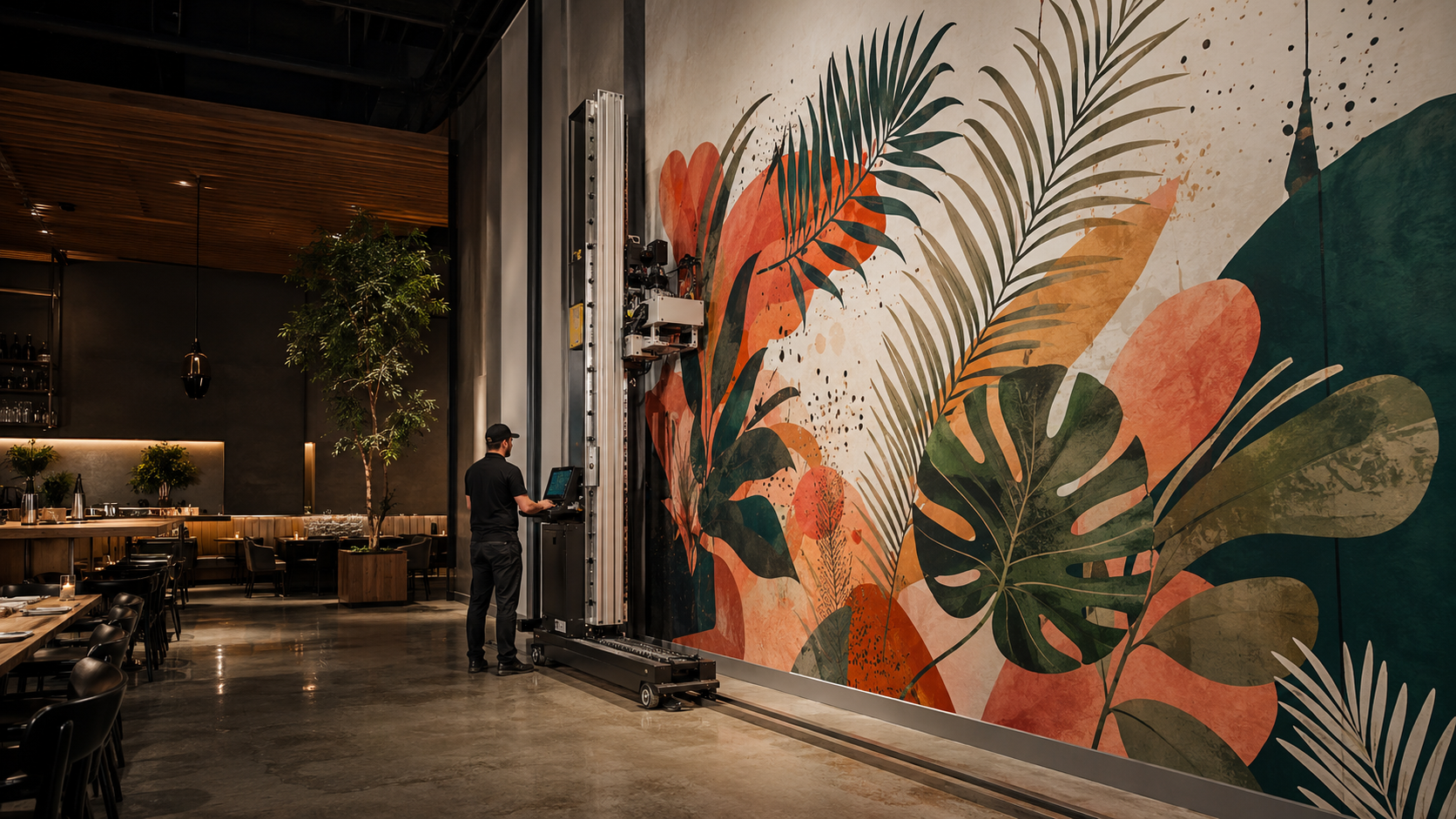
A computer-guided vertical printer applies UV-curable ink directly to a compatible surface, turning the wall itself into the finished medium. No wallpaper panels. No adhesive layer. No hand-painted production timeline.
DIRECT TO SURFACE
The wall becomes the finished print medium
TYPICAL PRINT SPEED
Approximately 20–50 sq. ft. per hour
PRACTICAL PRINT HEIGHT
Up to approximately 10–11.5 ft., depending on setup and clearance
UV-CURABLE INK
Ink is cured during the printing process
THE PRINTING SYSTEM
The system combines computer-controlled positioning, vertical printhead movement, horizontal progression, and UV-cured ink to build the image directly on the prepared surface.
The system is aligned with the intended print area so the image begins at the approved position and scale.
The printhead moves vertically while the system progresses horizontally along the wall.
Ink is deposited in controlled passes to reproduce the prepared digital artwork on the surface.
Integrated UV light cures the ink as it is applied, allowing the image to build without installing a separate printed covering.
Review proportions, resolution, crop, color, and intended print dimensions.
Confirm surface material, condition, finish, access, and available print area.
Set up and align the equipment in front of the approved wall area.
Build the artwork through controlled passes while the ink is cured.
Review the finished image, edges, surface response, and overall appearance.
DIGITAL ARTWORK
The artwork is prepared for the intended dimensions, surface, viewing distance, and level of detail before printing.
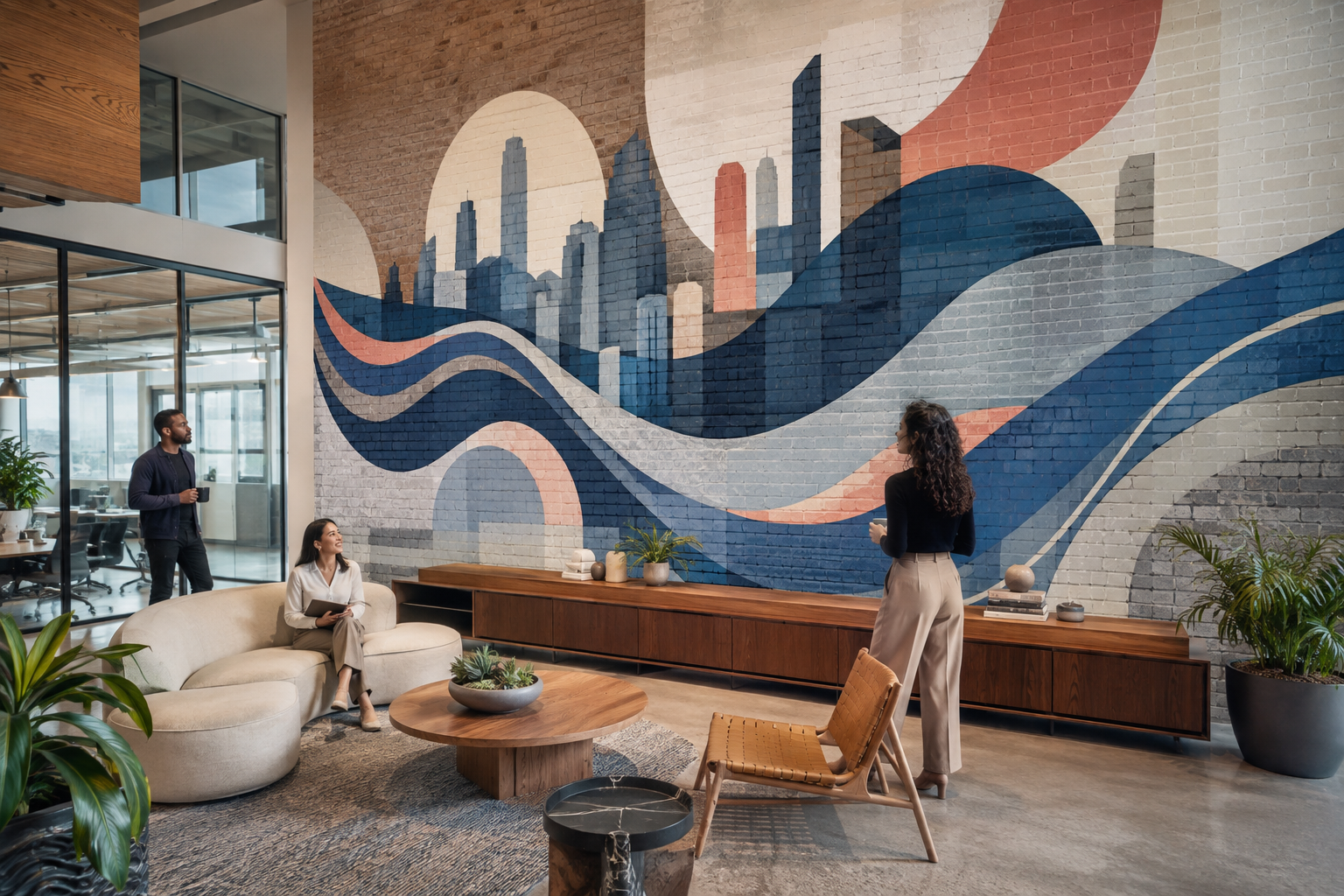
High-resolution photography and detailed composite artwork prepared for room-scale output.
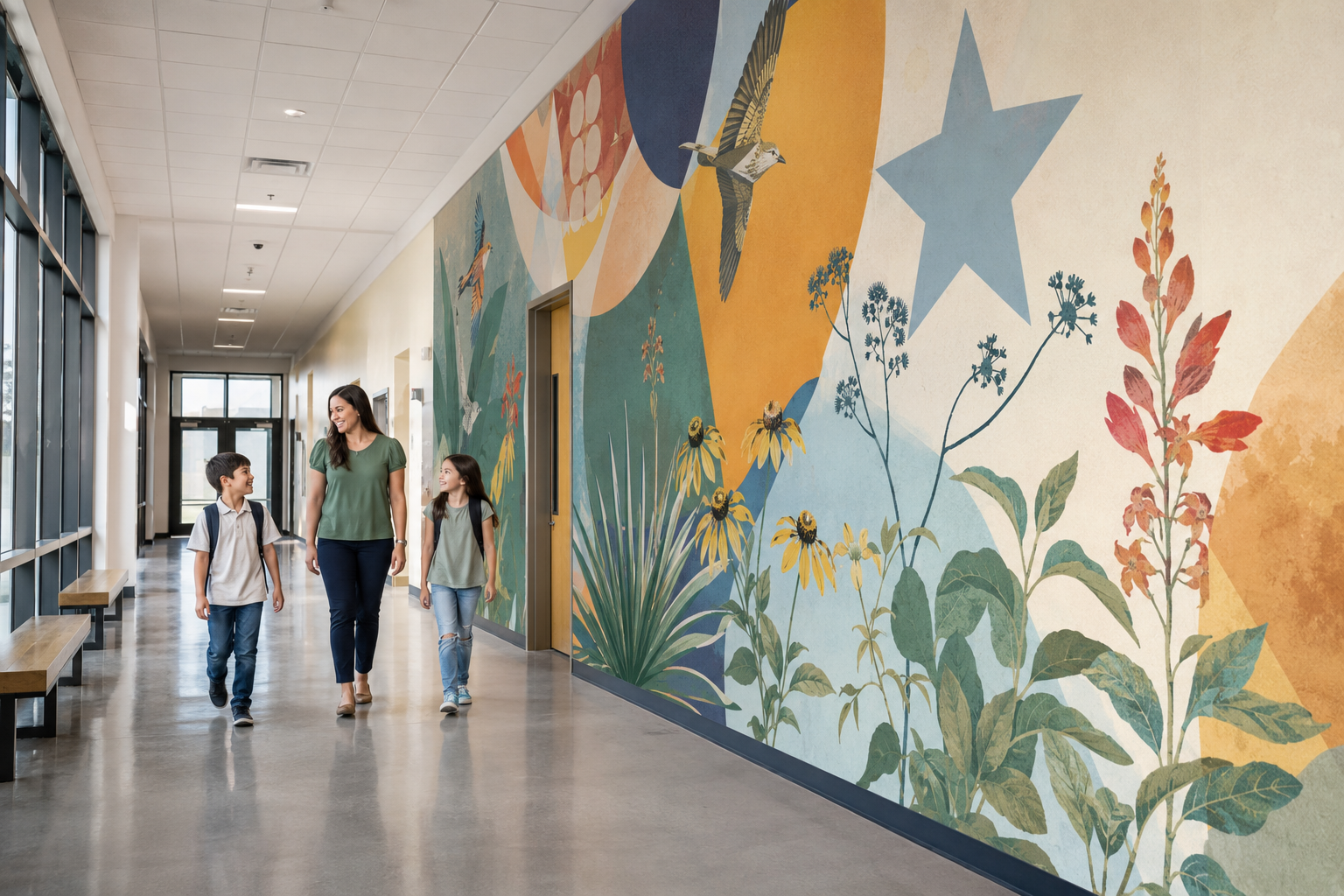
Botanical compositions, landscapes, characters, and custom visual themes.
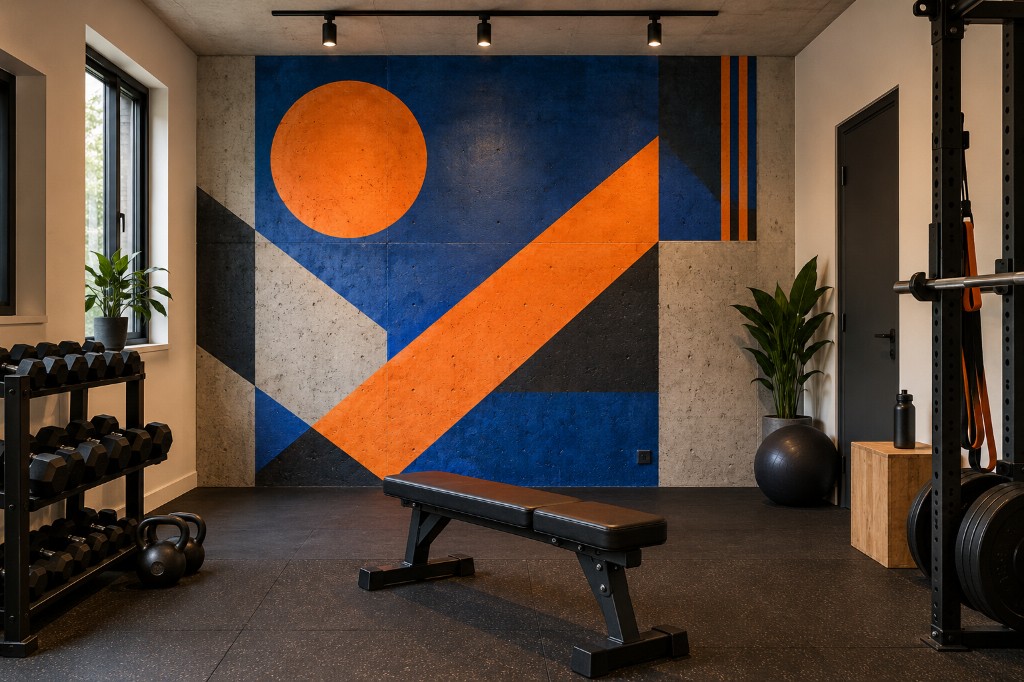
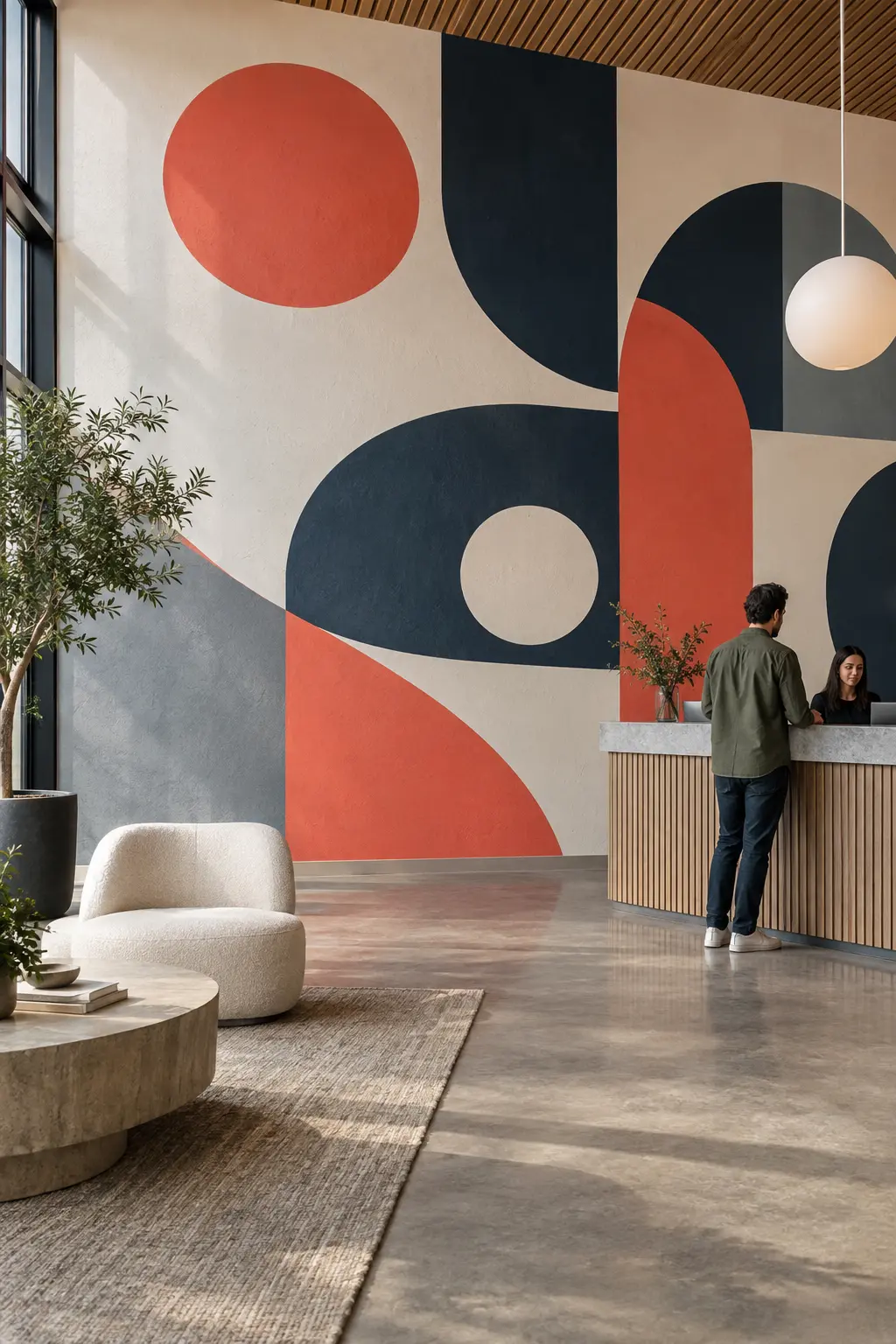
Abstract forms, geometric layouts, repeated motifs, and focused visual accents.
Logos, campaign artwork, and visual identity elements subject to file and layout review.
TECHNOLOGY IN MOTION
Watch the carriage, printhead, and artwork build detail across the wall—one controlled pass at a time.
Explore How It Works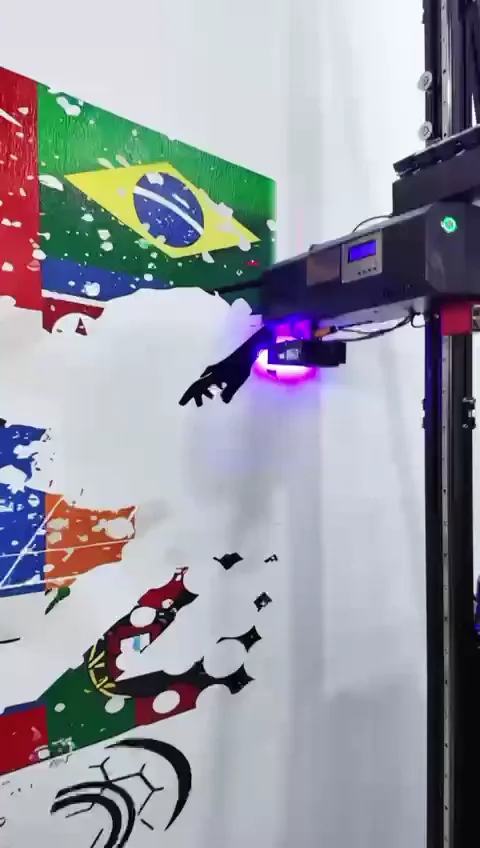
The carriage follows a consistent path as the artwork expands across the surface.
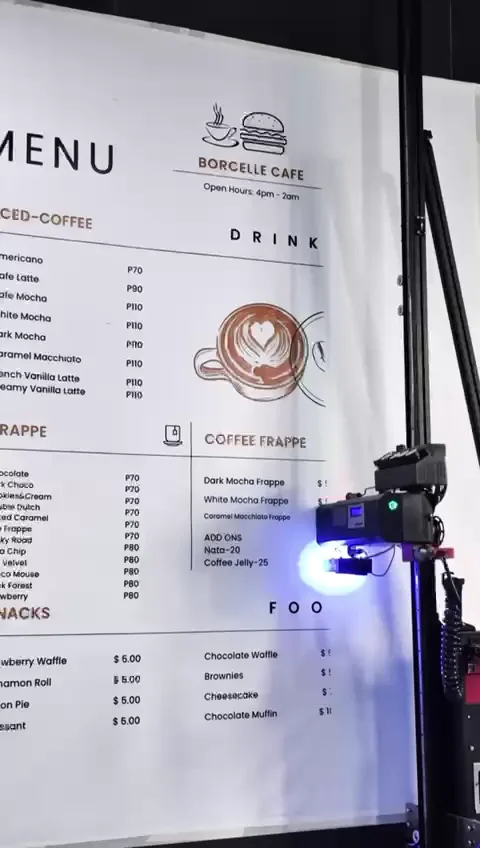
Small typography and graphic elements show how precise placement matters.
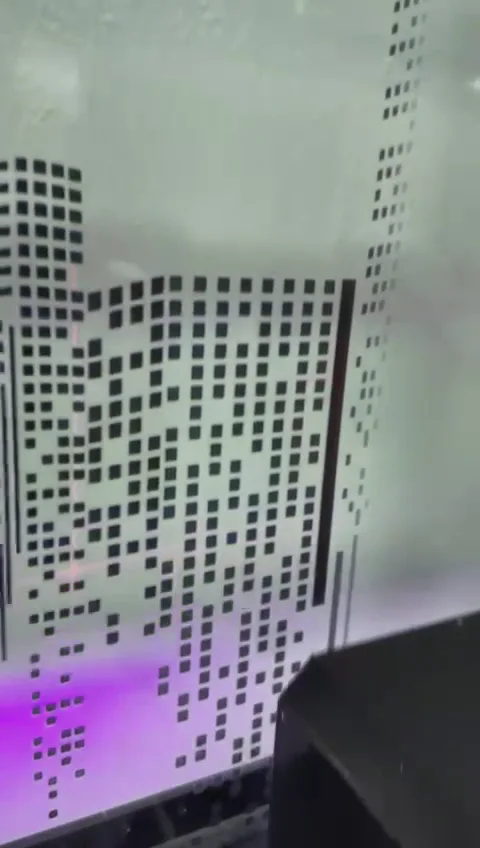
Layered dot patterns build structure, shading, and depth.
COMPATIBLE SURFACES
Smooth, porous, reflective, and textured materials interact with ink differently. Surface condition, finish, preparation, access, and the artwork itself are reviewed before production is confirmed.
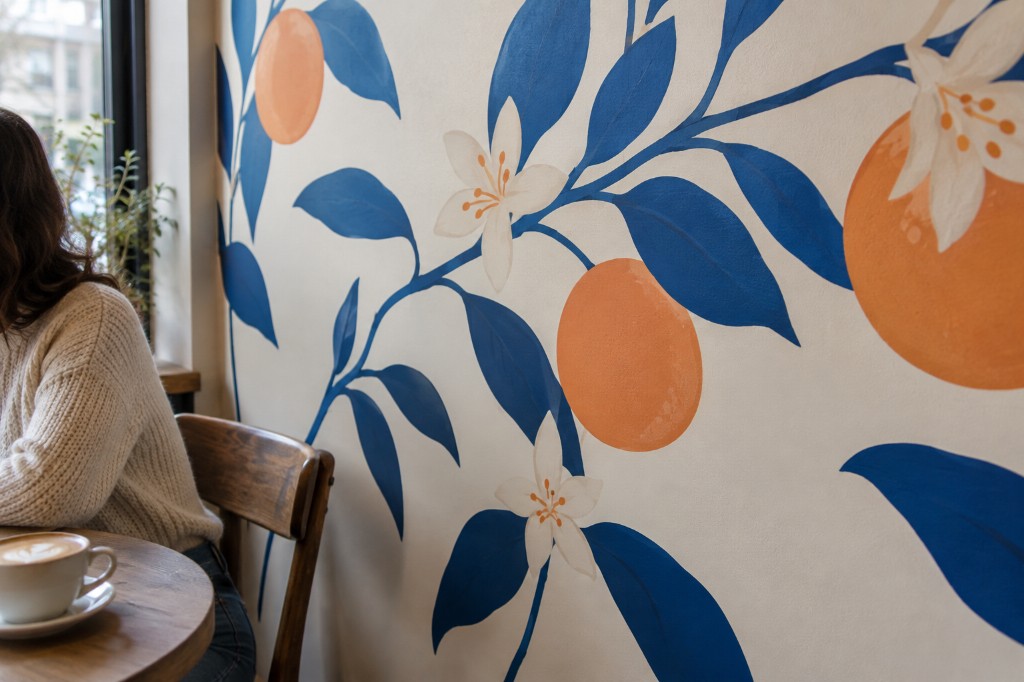
A smooth, stable painted surface provides the cleanest base for fine detail.
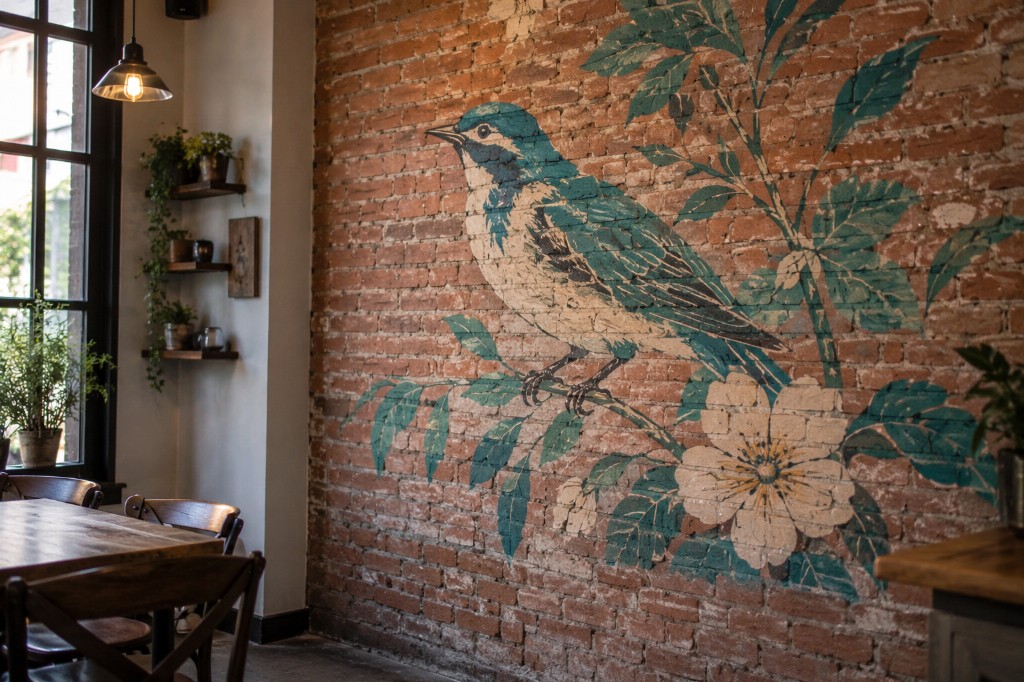
Brick joints and texture remain visible and become part of the artwork’s character.
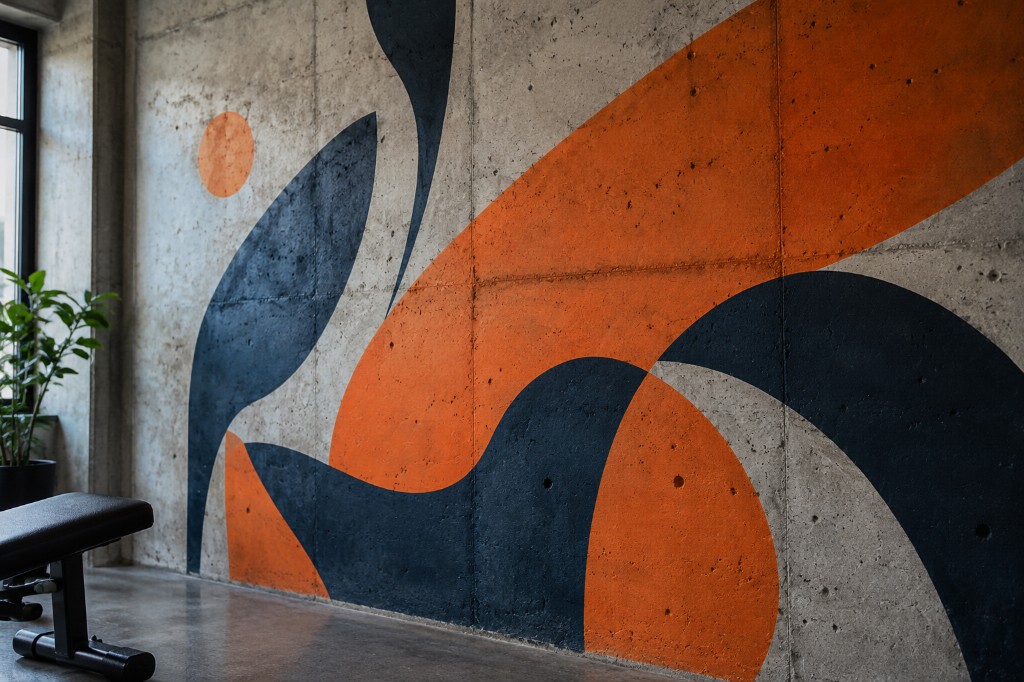
Surface variation can add an architectural, industrial quality to bold artwork.
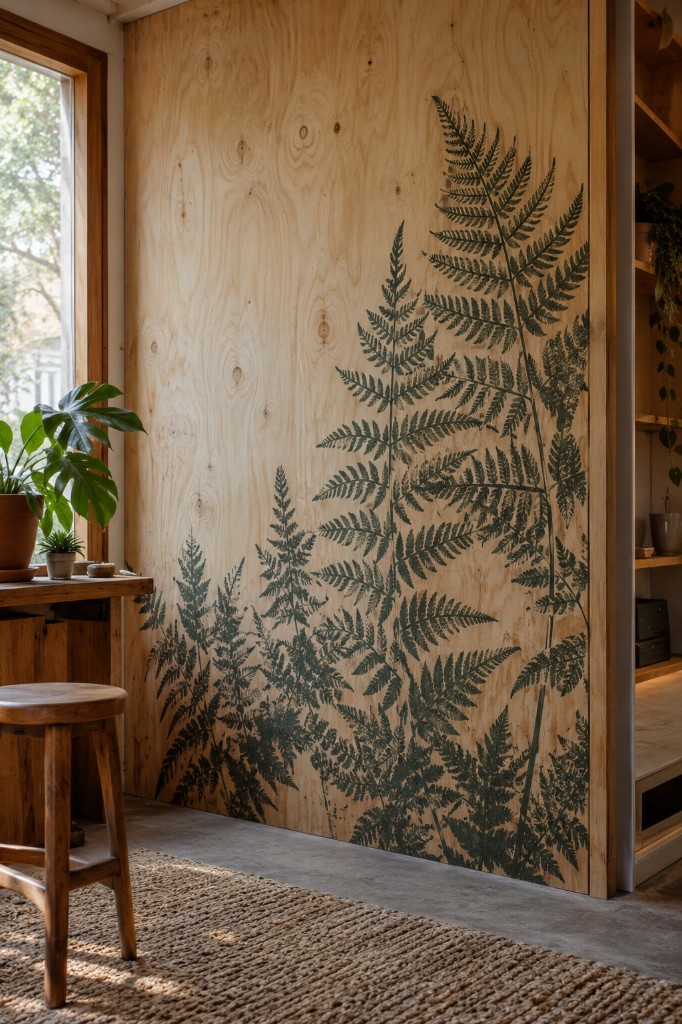
Grain, coatings, and porosity influence the appearance and require review.
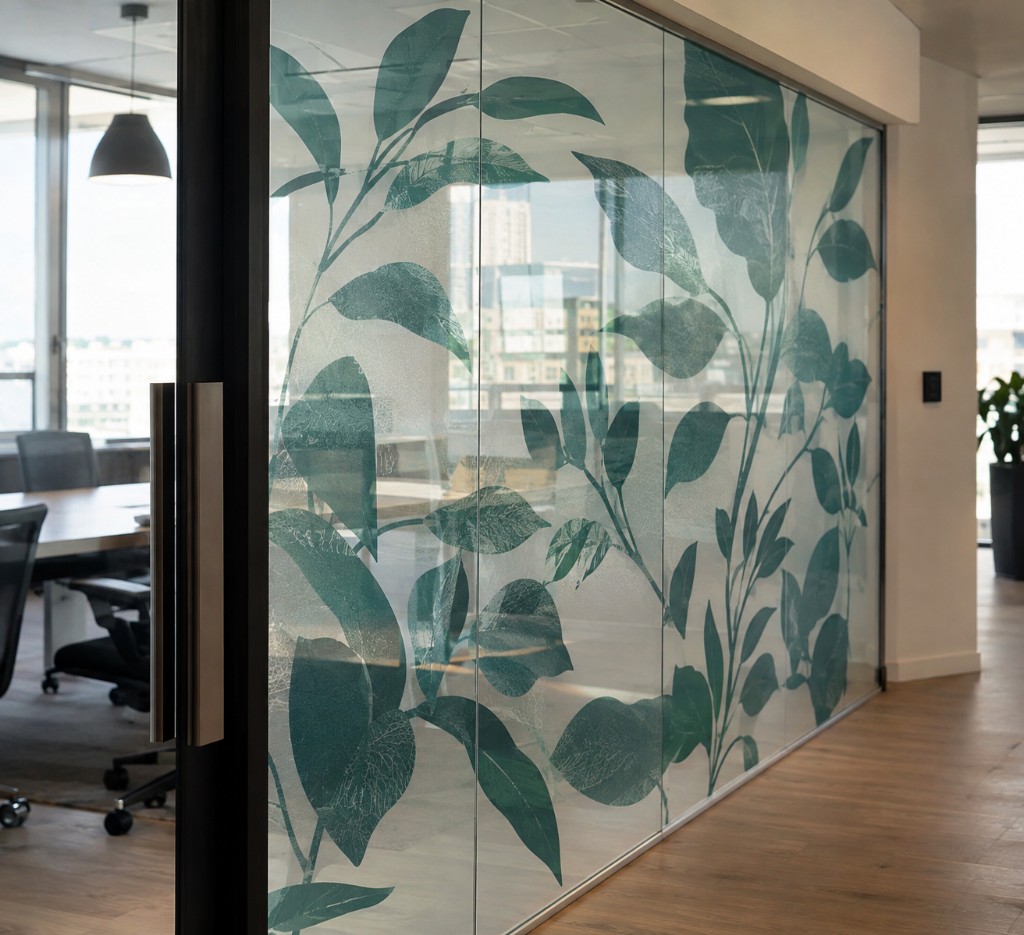
Transparency, opacity, white ink, preparation, and viewing direction require project-specific planning.
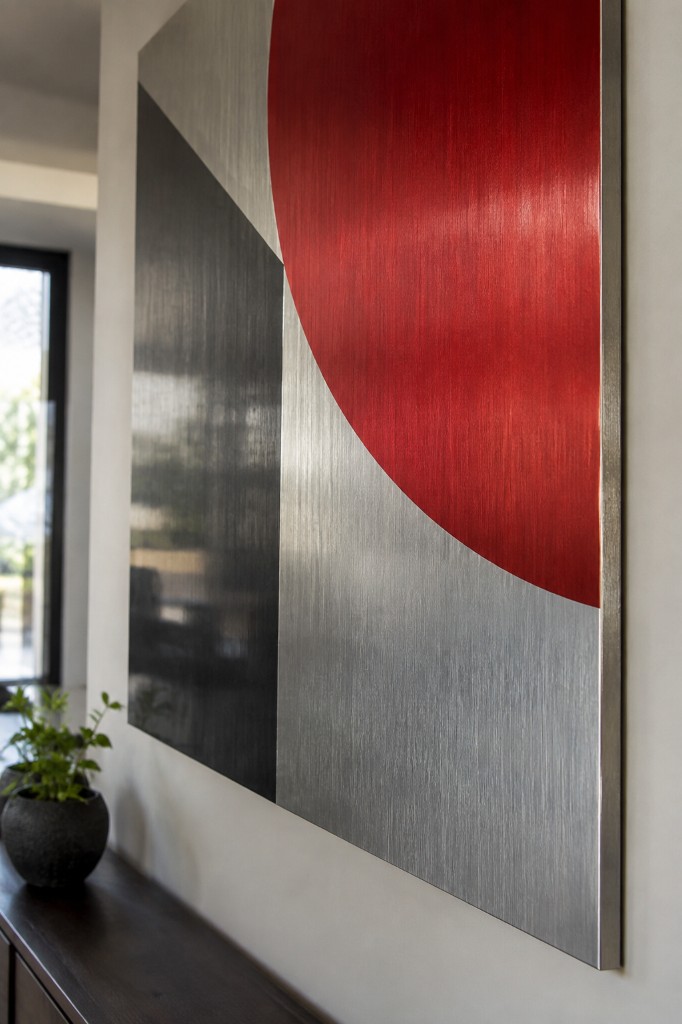
The finish, coating, adhesion, and intended environment must be evaluated.
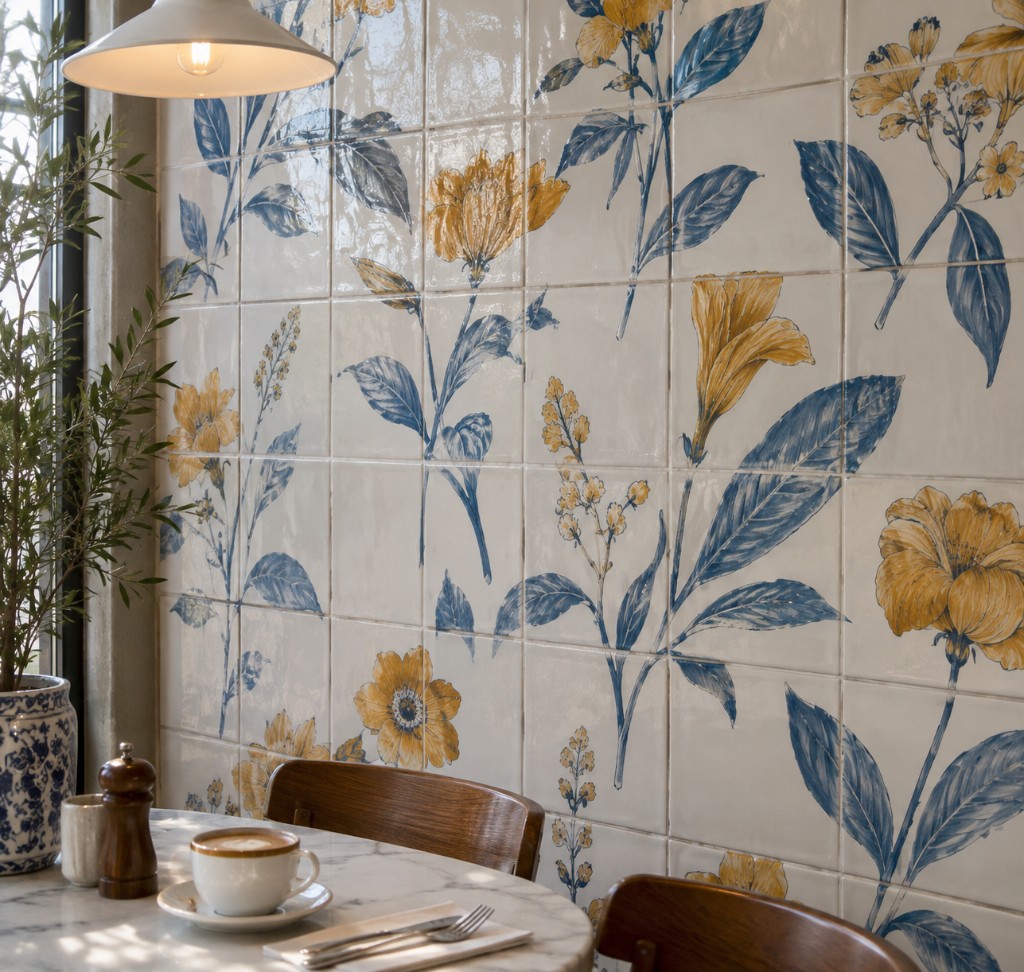
Tile faces and grout lines remain part of the finished visual surface.
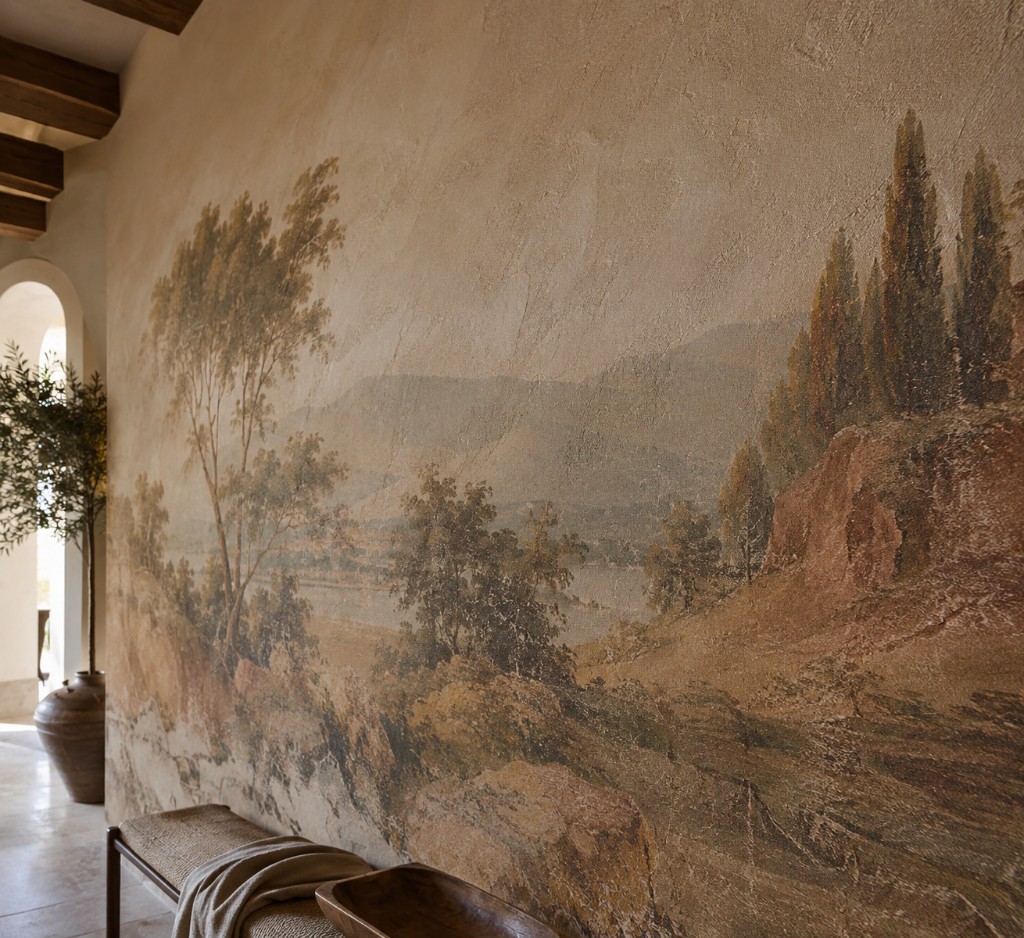
The plaster should be dry, stable, and free of loose or damaged material.
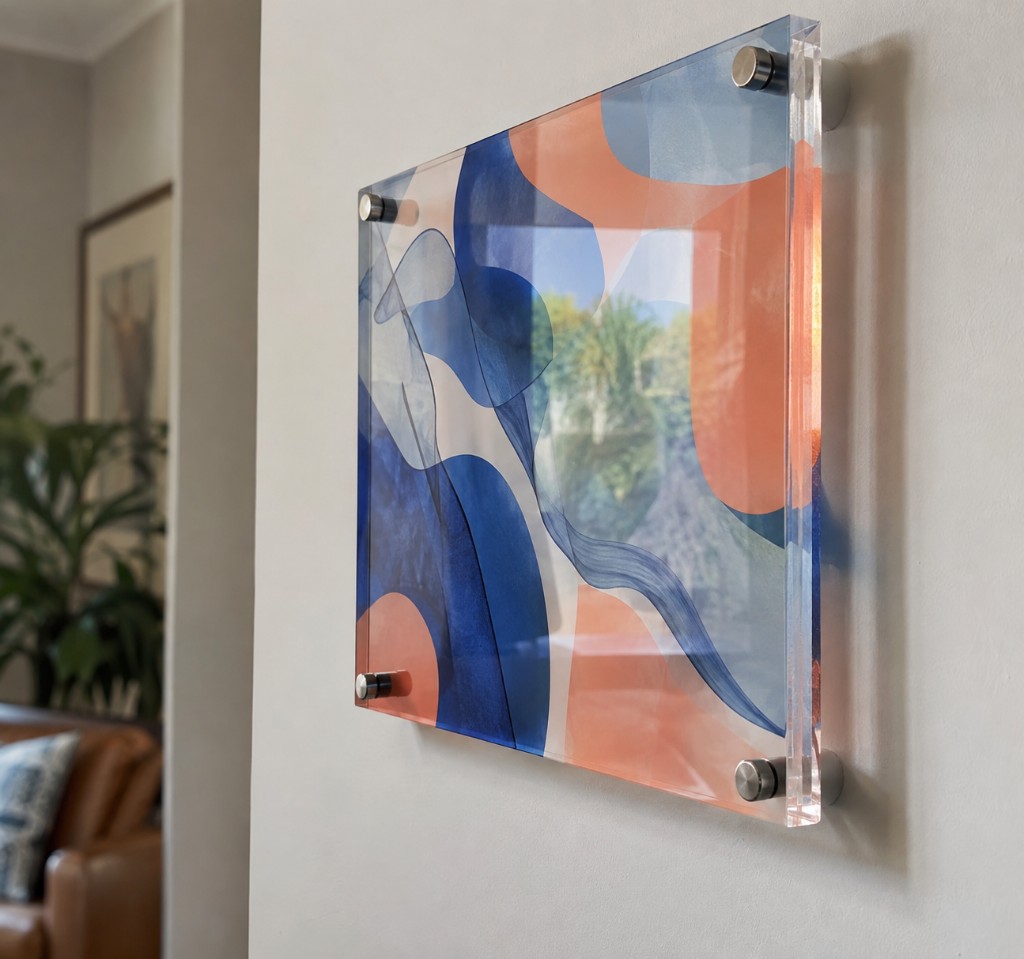
Material finish, adhesion, transparency, and preparation require review.
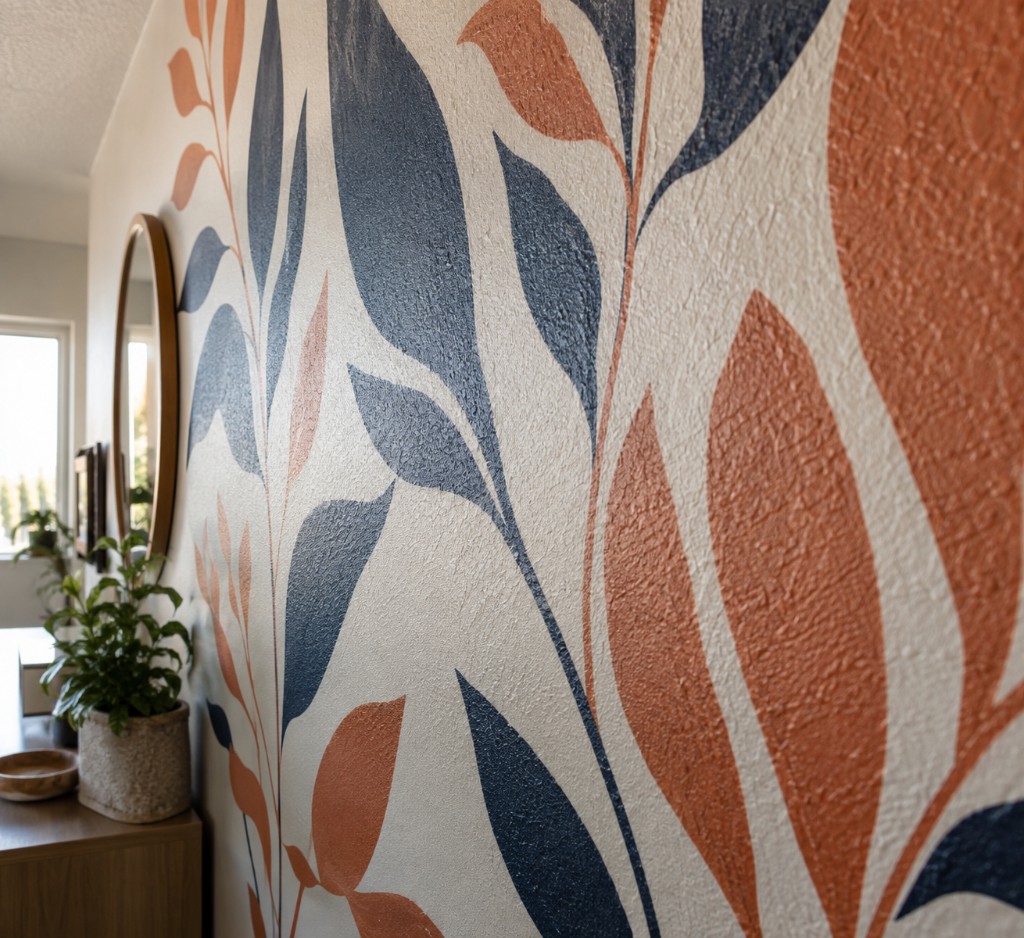
Texture remains visible and may reduce very fine detail, making bold artwork especially effective.
Compatibility is confirmed after reviewing the exact material, coating, condition, location, and artwork requirements.
Ask About Your SurfaceCOMPARE THE APPROACHES
Direct wall printing, printed coverings, and hand-painted murals can all transform a space. The right option depends on the artwork, wall, schedule, finish, and character you want.
| Topic | Direct Wall Printing | Vinyl / Wallpaper | Hand-Painted Mural |
|---|---|---|---|
| Application | Digital image applied directly to a compatible surface | Artwork printed off-site and installed in panels | Artwork created directly on the wall by an artist |
| Best suited for | Detailed digital artwork, photography, illustration, patterns, and brand graphics | Repeat patterns, full coverings, and removable installed materials | Original brushwork, organic variation, and an artist-led finish |
| Surface character | Existing wall texture remains part of the result | Printed material covers the underlying wall | Brushwork and wall texture both influence the finish |
| Seams | No wallpaper panels or panel seams | Panel joins may remain visible | No installed material seams |
| Production | Computer-guided on-site printing | Off-site production followed by installation | On-site artist production |
| Changing the wall later | The wall can generally be repainted | Installed material normally requires removal | The wall can generally be repainted |
WHAT THE EQUIPMENT NEEDS
The printer also needs usable floor space, vertical clearance, a stable setup, and safe access along the intended print area.
Typical practical maximum print height: approximately 10–11.5 ft. Exact height and required margins are confirmed after reviewing the wall and equipment setup.
Send Us Your Wall DetailsThe wall should be dry, stable, clean, and free of loose material, active moisture, or damage that could interfere with printing.
Furniture, equipment, décor, and other obstacles near the wall may need to be moved before setup.
Floor level, carpet, transitions, baseboards, steps, and uneven surfaces can affect how the equipment is positioned and moved.
The maximum image area depends on the equipment configuration, ceiling height, wall edges, corners, baseboards, and required operating margins.
The project plan considers equipment access, electrical requirements, operating hours, people moving through the space, and safe setup.
PRINT QUALITY
The printer reproduces the prepared file, but the wall, artwork, room, and setup all influence what the finished image looks like.
The intended print dimensions determine how much source resolution and detail are needed. A small screenshot and an original high-resolution file are not equivalent starting points.
Texture, repairs, loose coatings, moisture, dust, and uneven areas can affect adhesion, alignment, and visible detail.
The existing color, transparency, porosity, reflectivity, and use of white ink can influence brightness and contrast.
Room lighting, daylight, surface sheen, and the distance from which the mural is viewed affect perceived color and detail.
TECHNOLOGY FAQ
Final compatibility and production details depend on the artwork, surface, dimensions, equipment access, and project location.
No. The digital image is applied directly to a compatible wall surface. There are no wallpaper panels or adhesive layer.
No. The artwork is prepared as a digital file and reproduced by a computer-guided vertical printing system.
Yes, subject to image rights, file quality, proportions, and suitability for the intended size. Logos and brand assets are reviewed before production.
Many textured surfaces may be compatible. Texture remains visible and may reduce very fine detail, so the artwork and wall condition are reviewed together.
Not necessarily. Screen calibration, room lighting, wall color, surface material, texture, ink, and white-ink requirements can all affect appearance.
Width can continue across the available working area. Practical print height is typically up to approximately 10–11.5 feet, depending on equipment configuration and site clearance.
Required margins depend on the equipment, baseboards, ceiling clearance, wall edges, corners, and access. Exact placement is confirmed after reviewing the wall.
UV-curable ink is cured during printing. Final handling, cleaning, and care guidance still depend on the surface and project conditions.
Outdoor compatibility is reviewed individually. Surface material, weather exposure, sunlight, moisture, ink system, preparation, access, and any protective treatment must be considered before the project is confirmed.
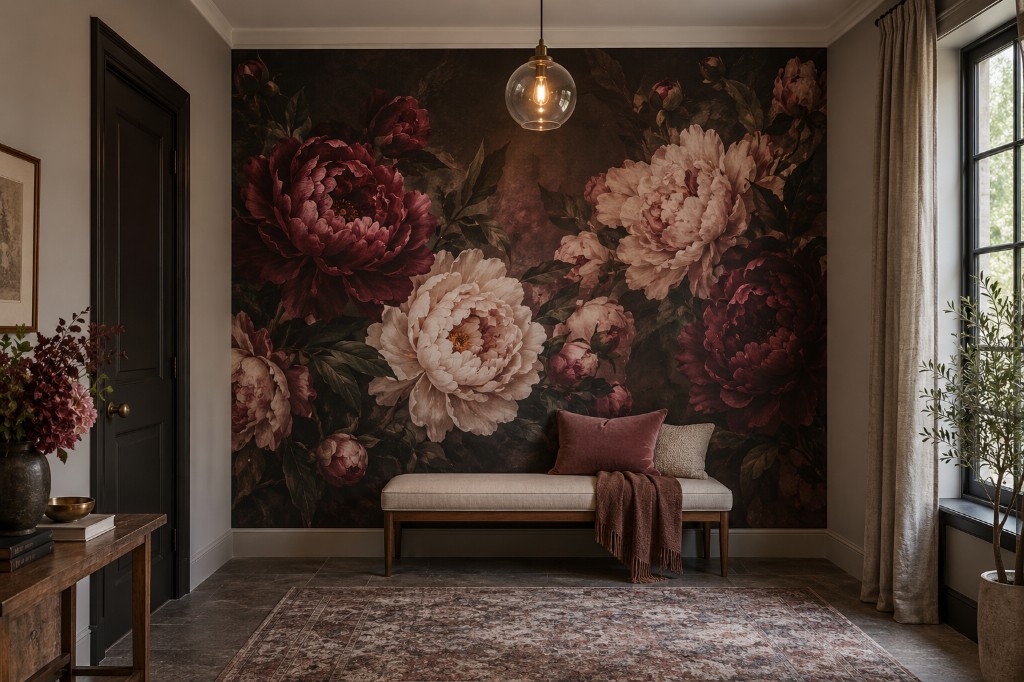
FROM DIGITAL FILE TO PHYSICAL WALL
Send the wall dimensions, a few photographs, the surface type, and the direction you want to explore. We’ll help determine the next practical step.
Browse the Portfolio